
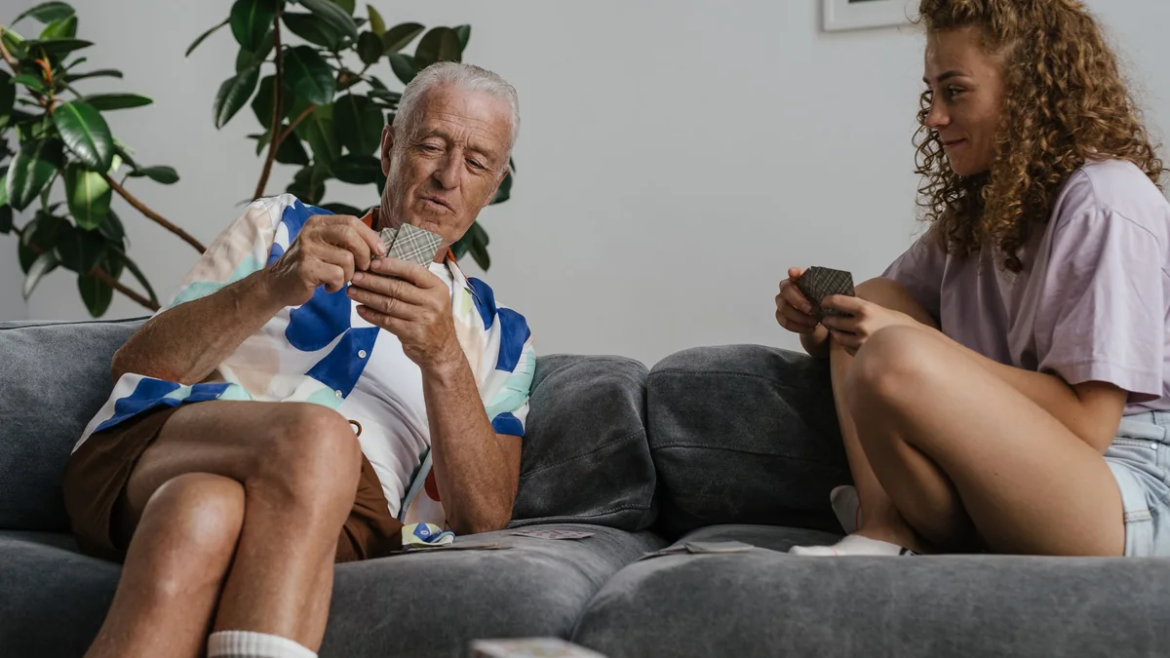
Maintaining an active lifestyle is one of the most effective ways for seniors to preserve independence, boost mood, and improve cardiovascular health. However, staying active doesn’t necessarily mean hitting a high-impact gym; it’s about finding sustainable, low-impact movements that protect the joints while strengthening the body.
Here are six practical ways for seniors to stay active and healthy.
1. Low-Impact Aerobics: Walking and Swimming
Cardiovascular health remains a priority at any age. Walking is perhaps the most accessible form of exercise, requiring nothing more than a supportive pair of shoes. For those dealing with joint pain or arthritis, swimming or water aerobics is an ideal alternative. The buoyancy of the water supports body weight, allowing for a full range of motion without the stress of impact.
2. Strength Training with Resistance Bands
Muscle mass naturally declines with age, which can affect balance and metabolism. You don’t need heavy iron weights to see results. Resistance bands offer a safe, portable way to build strength. They provide “linear variable resistance,” meaning the tension increases as the band is stretched, which is much gentler on the connective tissues than traditional dumbbells.
3. Flexibility and Balance: Yoga and Tai Chi
Falls are a significant concern for the elderly, making balance training essential.
-
Tai Chi: Often called “meditation in motion,” this practice uses slow, deliberate movements to improve stability.
-
Yoga: Helps maintain flexibility and spinal alignment. For those with limited mobility, Chair Yoga is a fantastic modification that provides the same stretching benefits while seated.
4. Gardening and “Active” Hobbies
Exercise doesn’t always have to look like a workout. Gardening involves squatting, reaching, and digging, which engages various muscle groups. Similarly, birdwatching on a nature trail or even light woodworking keeps the body moving and the mind engaged. These activities provide a sense of purpose alongside physical benefits.
5. Dancing for Cognitive and Physical Health
Dancing is a “double-win” for seniors. It provides a great aerobic workout and improves coordination, but it also requires learning patterns and rhythms, which helps keep the brain sharp. Whether it’s a formal ballroom class or simply dancing in the living room, it is a high-energy way to socialise and stay fit.
6. Daily Stretching Routines
Stiffness can lead to a sedentary lifestyle. Establishing a 5-to-10-minute morning stretching routine can improve circulation and reduce aches throughout the day. Focusing on the neck, shoulders, and hamstrings helps maintain the mobility needed for daily tasks like reaching for groceries or getting out of a car.
Tips for Getting Started
Consult a Professional: Before starting any new physical routine, it is vital to speak with a healthcare provider to ensure the activities are safe for your specific health profile.
Start Small: Even 10 minutes a day is better than zero. Consistency is more important than intensity when building a long-term habit.